
Aligner Patients can reduce White Spot Complications
Do not wait until the damage has already occurred ...
Do not wait until the damage has already occurred ...
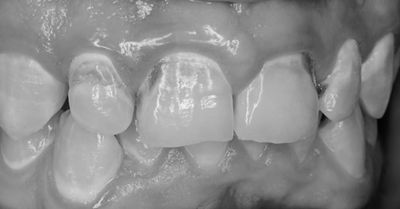
NEW STUDY: A landmark study compared several strategies to REDUCE WHITE SPOTS around aligner attachments. The results were unexpected but worth a closer look as hydroxyapatite gel was the clear winner (included using HA gel used inside the trays during sleep). Link to study:
Summary:
Researchers found Nano Hydroxyapatite performed better than typical suggestions for reducing 'white spot damage' around aligner attachments. #1- Hydroxyapatite gel (1 at night in trays and and 5% in office) - #2- F Varnish - #3 - MI Paste - #4 - Fluoride toothpaste.
The best known hydroxyapatite gel on the market is pH7smile (available on Amazon and from select dental professions).
White spots is a term for superficial areas of decay that typically occur during orthodontic treatment. They can start out as light white areas and progress to deeper decay under certain conditions. Aligner wearers have a HUGE ADVANTAGE over those with traditional braces in the fight against white spot complications...unfortunately very few know about the NEW protocol proposed that potentially could make the biggest difference.
In a recent study over 1/3 of aligner patients had White Spot Complications during aligner therapy. The conclusion of this study can be extended to others in high concern groups:
"The incidence of WSLs (White Spot Lesions also known as 'White Spots') was high in adolescent patients treated with clear aligners. Few brushings each day, pre‐treatment WSLs, a high frequency of drinking carbonated beverages, a low frequency of aligner cleaning after eating while wearing them, and a high number of anterior attachments are strongly associated with the development of WSLs in adolescent patients treated with clear aligners."
Sources:
The American Association of Orthodontists has a short section on their suggestions to reduce white spot damage during aligners which is found here: https://aaoinfo.org/whats-trending/will-treatment-cause-white-marks-on-teeth/
The AAO website states:
"Aligners can be associated with white spots when teeth are not brushed after eating, aligners are not cleaned well, or beverages besides water are consumed with trays in. Good hygiene habits and proper aligner wear help reduce the risk."
Some experts believe the current protocols do not offer enough protection from the wide range of risks to aligner patients and feel protocol changes are overdue to further reduce the incidence and severity of white spot complications during Invisalign and other clear aligner therapy.
If you are in a rush to know more about the new HIGH RISK White Spot Risk Reduction Protocol scroll to the bottom. Please return for a more thorough understanding of this problem and what conditions may be specific to YOUR situation which require exceptional consideration. Ask your orthodontic provider if the new protocols suggest may help you reduce the chances of this common complication during the highest risk stage of treatment (during aligner therapy when attachments are in place and wear times are often 22 hours per day).
White spot lesions (early enamel demineralization) may occur during treatment with any orthodontic system, including clear aligners and traditional braces. Multiple oral, dietary, medical, and lifestyle factors can increase risk. Many social media groups have people who suggest they 'broke all the rules' and didn't have any problems. Most are not so fortunate. This complication is MUCH MORE COMMON than most believe.
Some patients have a higher chance of significant enamel demineralization (“white spots”) during treatment with clear aligners or braces due to oral, medical, dietary, or saliva-related factors.
For patients concerned about enamel demineralization during clear aligner or braces treatment, prevention routines may include:
ADVANCED White Spot Prevention - PROTOCOL for HIGH RISK Aligner and Clear Retainer Users
For those at very high risk or with the highest concerns about white spot complications during aligner treatment they may follow the basic protocol above (noting use of high fluoride toothpaste which hardens enamel and makes it more acid resistant) and add a STRATEGIC DIFFERENCE of very frequent application of intra-aligner protective gels (containing baking soda, xylitol and nano-hydroxyapatite such as pH7smile) or pastes (such as MI paste) inside the aligners before bed (worn in them) and after every meal, whenever the appliances are removed or every 4 hours as directed by your aligner provider.
Not all orthodontic aligner practitioners sell protective aligner or 'retainer gels' in their offices but the recommended gels mentioned may be found on Amazon online without a prescription.
A protective gel made for use inside aligners will provide many of the functions of healthy human saliva which is blocked by the plastic covering. If the gel chosen contains baking soda it helps to neutralize acids. White spot damage only occurs during extended periods of acidity so it is important to replenish the gel inside the clear aligners regularly. Xylitol will reduce harmful bacteria and nano-hydroxyapatite helps to mineralize the enamel. All together these additives to a tray gel help to replace the function of saliva which has been blocked by clear trays.
Some people may have sensitivities to certain ingredients that should be considered. The concentrations of protective additives within a gel used for aligners and retainers does not need to be as high as a product that is applied in a dental office a few times a year. If the gel product is used for at least half the wear time each day it can be more effective than a highly concentrated product. What counts in fighting white spot risk is consistency in use of the protocol, good basic home care and avoiding the temptation of drinking acidic or sugar-laced beverages during aligner treatment (especially while trays are in place).
A related topic is eating during active treatment. While some are encouraged to eat with trays in place, it is generally not recommended. Some are told to wait 30 minutes before brushing and putting trays back in this wait time probably can be reduced without significant risk if the highest protocols are being used. Finishing a meal with a full glass of water, then brushing and replacing the aligners with fresh protective gel may be a reasonable step to use when away from home.
Use of the full time intra-aligner gel protocol will reduce the risks if home care and habits are less than ideal but failure to take all precautions will increase the chances of disappointment. Patients must do their part or any protocol will fail to provide optimal results.
If the primary concern is the reduction of white spot complication in visible areas of your smile focus application of the gel to the inside of the trays that fit against the front of the front teeth. Use of the gels in the full tray will however offer the most comprehensive protection with many users commenting they experience compliments from their dental team with potential cost-savings in complications which offset the cost of the dental gels. and toothpaste. Dedicated use of this protocol will also nearly eliminate the need to use special cleaning steps for your aligners (consult with your provider for their suggestions in soaking solutions or ultrasonic cleaning pods).
Another protective step you may discuss with your orthodontic provider is the clinical application of a special sealant over the enamel surfaces of the front teeth -especially around attachments. While some brands of these sealants/bonding agents may discolor they help reduce the uneven decalcification of the teeth caused by aligner attachments. The sealant may be polished off the enamel after aligner attachments are removed to allow whitening procedures to be more effective.
Following active aligner treatment when retainers are only worn at night patients may still continue to use a protective gel in the retainers during sleep to continue to provide pH (acidity) protection, odor reduction, mineralization and reduction of harmful bacterial growth. For high risk patients 'retainer gel' use should be considered nightly while those in a low risk category may consider a weekly application of protective gel in the clear retainers or whatever removable night appliance is being used.
The cost of even the most aggressive preventive measures is a small fraction of the cost to repair white spot complications and deeper decay. Teeth harmed by 'white spots' during aligner treatment have permanently altered enamel which will no longer respond the same to normal whitening procedures. The protocols mentioned are not for those who already have damage from acidity in aligners. The protocols should be discussed and approved of by your orthodontic provider.
The choices in treatment for WHITE SPOT COMPLICATIONS are complex ranging from mineralizing/sealing/surface polishing/composite bonding/porcelain veneers. If you missed the opportunity to prevent the harm you can discuss repair alternatives with a trusted dental professional of your choice.
White spot lesions and enamel demineralization may occur during treatment with any orthodontic appliance, including clear aligners and traditional braces. Risk may increase in the presence of plaque accumulation, dry mouth, acidic oral conditions, GERD/reflux, dietary factors, certain medications, inadequate oral hygiene, or other individual health factors. Not all patients experience white spot lesions, and risk varies based on oral environment, hygiene habits, medical history, and treatment conditions.
Any strategies listed on this website should not be considered individual advice and any preventive measures should be discussed with your dental and medical team prior to implementation. Suggestions are designed to help reduce the risk but there are no guarantees any or all methods will be enough in all circumstances. Some individuals may not be good candidates for orthodontic treatment or some/all of the protocols discussed on this site. Use of any ideas presented here are at your own risk and may not be appropriate for all aligner users.
Invisalign® is a registered trademark of Align Technology, Inc. This website is not affiliated with, endorsed by, or sponsored by Align Technology, Inc. References to Invisalign® are used for informational, comparative, and educational purposes only.